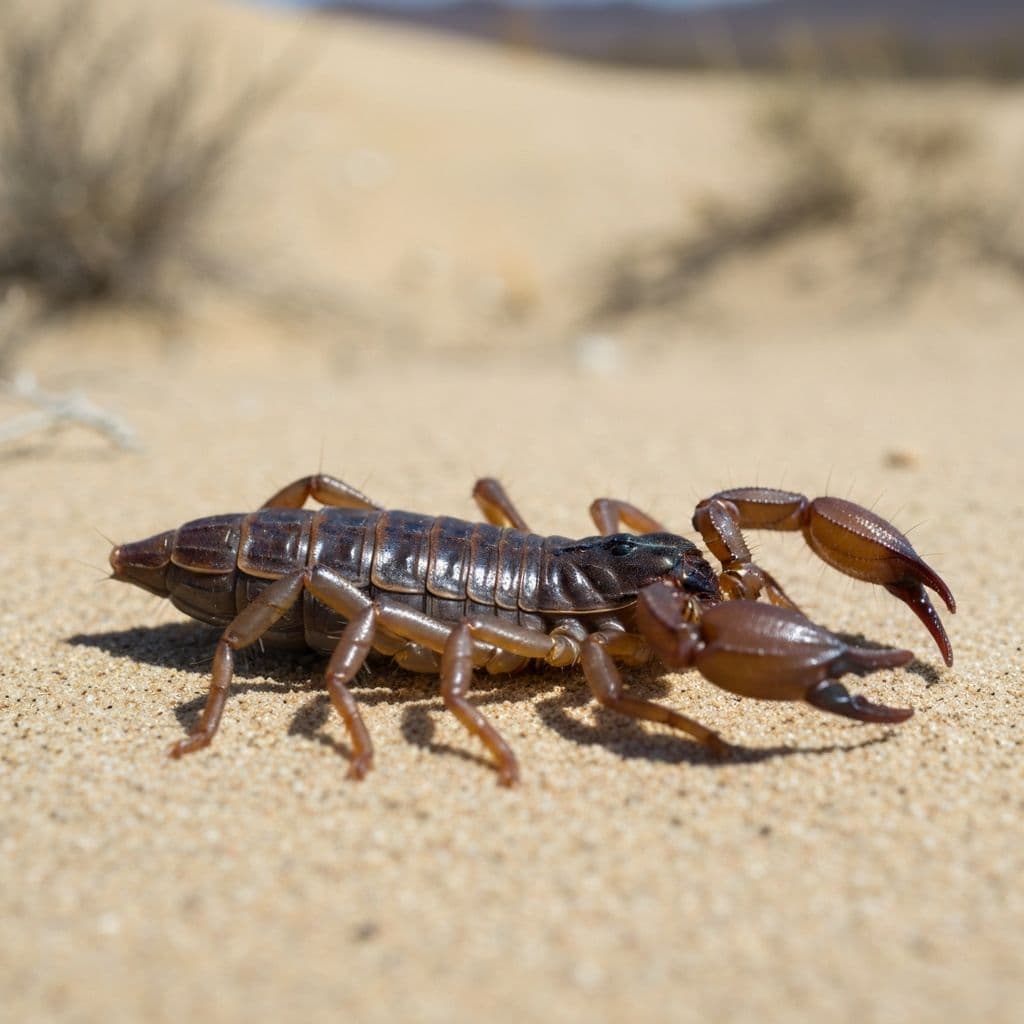
Scorpions are one of the most feared pests in Southern Utah, and for good reason. While most species in our area aren't deadly, their stings can be extremely painful and cause allergic reactions in some people. Understanding these arachnids is the first step to protecting your family.
Common Scorpion Species in Utah
The most common scorpion in Southern Utah is the Arizona Bark Scorpion (Centruroides sculpturatus). This species is the most venomous scorpion in North America and is particularly prevalent in Washington County. They're typically light brown to yellowish and grow to about 2-3 inches long.
Other species you may encounter include the Giant Hairy Scorpion and the Stripe-Tailed Scorpion. While less dangerous than the Bark Scorpion, their stings can still cause significant pain and discomfort.
Where Scorpions Hide
Scorpions are nocturnal creatures that seek cool, dark places during the day. Common hiding spots include: under rocks and debris in your yard, inside shoes and clothing left on the floor, in closets and storage areas, under bark and in woodpiles, and in wall voids and attics.
Signs of a Scorpion Infestation
Unlike some pests, scorpions don't leave obvious signs of their presence. However, you may notice: increased sightings during evening hours, scorpions found in sinks or bathtubs (they can't climb smooth surfaces), and other pest infestations (scorpions follow their food source).
Prevention Tips
To reduce scorpion activity around your home: seal cracks and gaps in your foundation and walls, remove debris and woodpiles from near your home, fix any moisture issues (scorpions need water), shake out shoes and clothing before putting them on, and use a UV blacklight to check for scorpions at night (they glow under UV light).
When to Call a Professional
If you're seeing scorpions regularly inside your home, or if you've had a family member stung, it's time to call Preventive Pest Control. Our targeted scorpion treatments create a barrier around your home and eliminate existing populations.
What to Do If Stung
If stung by a scorpion: clean the area with soap and water, apply a cold compress to reduce swelling, take over-the-counter pain medication if needed, and seek immediate medical attention if you experience difficulty breathing, muscle twitching, or severe symptoms.
For small children, elderly individuals, or those with compromised immune systems, always seek medical attention immediately after a scorpion sting.